
Dancer Wellness
With Dr. Audrey Lugo, PT, DPT, SCS, CSCS
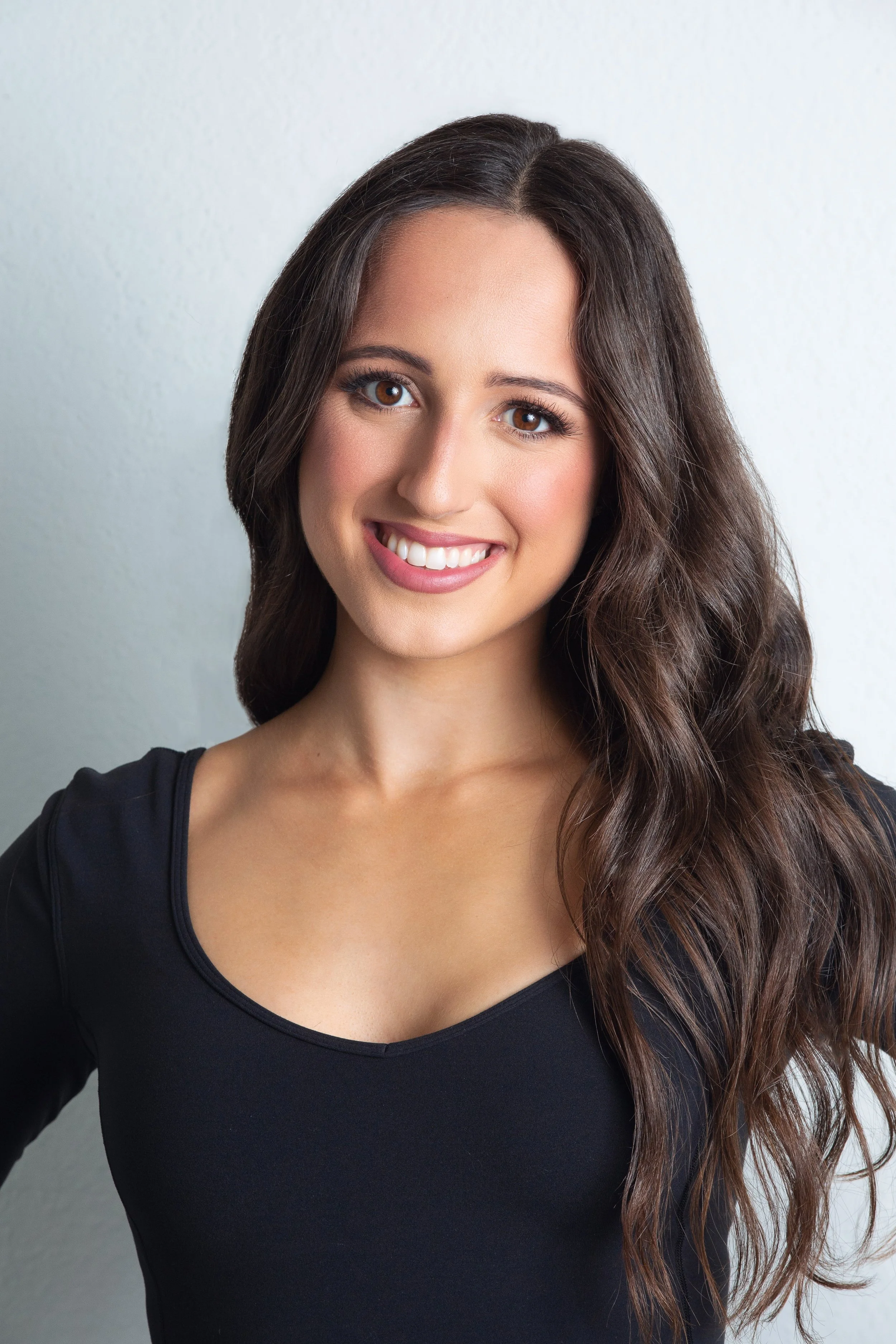
Dr. Audrey Lugo, PT, DPT, SCS, CSCS
✓ Doctor of Physical Therapy
✓ Board-Certified Sports Clinical Specialist
✓ Dance Medicine Specialist
✓ Certified Strength & Conditioning Specialist
Whether you’re recovering from an injury, preparing for auditions, working toward pointe, or simply wanting to move with greater confidence, Dr. Audrey provides individualized care designed around the unique needs of dancers.
Workshop #1
Friday, November 6th
Ankle & Pointe Strength
HS 12:30–1:30 | MS 1:30–2:30
Class fee- $30
Workshop #2
Friday, December 4th
Flexibility Done Safely
HS 12:30–1:30 | MS 1:30–2:30
Class fee- $30
Are you a PPD student?
Workshops are included in the Pre-Pro training division.
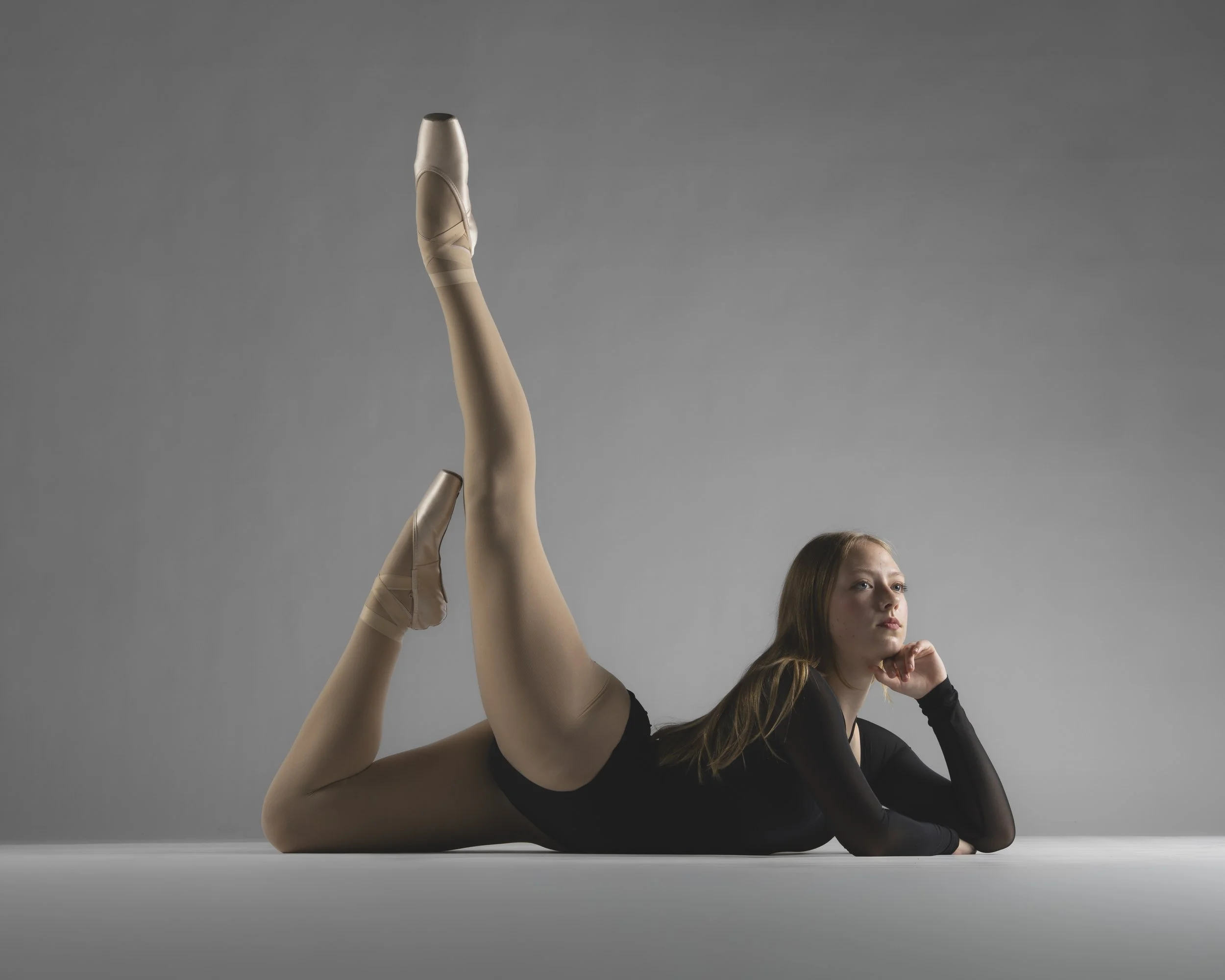
wellness offerings
-
Dr. Audrey offers physical therapy sessions directly at Selah during regular class times. This is complimentary to our Pre-Professional Division and open for scheduling to our Student Division and outside dancers/athletes.
-
Workshops with Dr. Audrey are available to all of our students to garner understanding in injury prevention, ankle and pointe strength, flexibility done safely, and so much more. We believe educating the dancer is paramount to their success and longevity.
Frid. Nov. 6th - Workshop #1
Ankle & Pointe Strength | HS 12:30–1:30 | MS 1:30–2:30
Frid. Dec. 4th - Workshop #2
Flexibility Done Safely | HS 12:30–1:30 | MS 1:30–2:30
-
A one-on-one 60 minute physical screening can be scheduled with Dr. Audrey to determine if the dancer has adequate strength, balance and range of motion to safely begin pointe.
-
Dr. Audrey offers individual 60-minute motion analysis and physical assessments, complete with personalized results and training recommendations. This evaluation is designed to pinpoint areas that require improvement, helping to minimize injury risk and boost performance.
The Importance of Physical Therapy for Dancers
Physical therapy plays a crucial role in a dancer's journey, as it protects their physical longevity while enhancing athletic performance. Dancers often push their bodies to extreme ranges of motion that most people never experience, making them highly susceptible to unique musculoskeletal stresses.
For the Young Dancer
From the young dancers to the professional, all encounter specific physiological vulnerabilities as their bodies develop.
Managing Hypermobility: Young dancers often rely on their natural flexibility to achieve impressive lines. However, without adequate joint stability, this ligamentous laxity can lead to joint subluxations and tears. Physical therapy helps build the targeted strength necessary to maintain control over that flexibility.
Navigating Growth Spurts: As bones grow, muscles and tendons can tighten, altering a dancer's center of gravity and mechanics. Therapists assist in re-educating the neuromuscular system to preserve proper alignment during these growth phases.
Correcting Technique Flaws: Early mistakes in turning out from the knees or ankles instead of the hips can lead to chronic issues like tendonitis or stress fractures. Although our teachers are constantly looking out for these tendencies, screening identifies these compensatory movements before they become ingrained habits.
Myth Busting and Education: Young dancers often adopt harmful “no pain, no gain” mentalities. Specialized physical therapists offer essential education on safe workloads, healthy play-to-rest ratios, and the understanding that strength training promotes stability rather than unwanted bulk.
For the Advanced Dancers
Dancers at an elite or professional level subject their bodies to intense, repetitive stress similar to that of professional athletes.
Targeted Overuse Injury Management: Dancers that are constantly training frequently experience high-stress injuries such as hip labrum tears, ankle sprains, and stress fractures. Specialized therapists employ manual therapy and sport-specific loading to facilitate a safe return to the studio.
Fine-Tuning Performance: Physical therapy extends beyond injury recovery; it enhances jump height, core stability, and precision in turns. Therapists break down dance choreography to develop the specific muscle power necessary for both subtle and explosive movements.
Symmetrical Rebalancing: Professional choreography often involves repetitive, asymmetrical movements (e.g., consistently leaping off the same leg). Physical therapy introduces targeted cross-training programs to address these muscle imbalances.
Prolonging Career Longevity: By focusing on early intervention and rehabilitation, physical therapy assists dancers in avoiding chronic joint degradation, which has historically shortened dance careers.
“Every dancer deserves care from someone who understands both the art and the athlete.”
— Dr. Audrey Lugo, PT, DPT, SCS, CSCS